
This page talks about violence, sexual abuse and the deaths of children. Some of it is hard to read.
Street children are children for whom the street is home. We work with the children who live on the streets full time, in Freetown and the areas around it. They're boys and girls, some as young as four, and some are disabled.
We sit down with every child and listen to their story. Some of what they tell us is very hard to hear. But we won't pretend it isn't happening. We owe them that.
Every child's story is different. These are the reasons they give us most.
Children are sent to live with relatives in the city with the promise of school. Instead they're used as unpaid servants, street sellers or scavengers.
Carers pay school fees for their own children, but not for the children they're looking after.
Often linked to child labour: children are beaten when money is lost or jobs aren't done. Stepmothers and aunts are named most. The most common punishment is being refused food.
Children are made to sell things on the street or do all the housework for the whole family. If they lose the money, even just 20 or 50 leones, many run away rather than go home and face a beating.
Families can't afford to feed their children, so children leave to earn money to survive.
Most street children lived with an aunt, uncle, grandparent or step-parent. Losing a parent is one of the biggest reasons. Ebola left many children orphans.
Children tell us, again and again, that no one at home cared about them.
- sexual abuse
- being forced to marry an older man
- losing their home in a fire, flood or mudslide
- a parent addicted to drugs
- a carer with mental health problems
- a parent who is sick or disabled
- grandparents too old to look after them
- being thrown out for being HIV positive, gay or pregnant
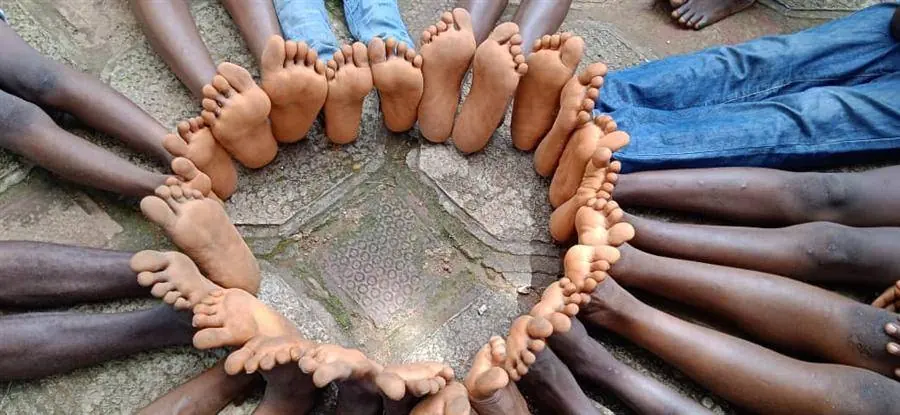
"My mum and dad died during Ebola. So I lived with my aunt, but she didn't pay school fees for me, only for her own children. I just felt like no one cared for me."A young person who used to live on the streets, Freetown
"My mum and dad died when I was a small pikin. My sister took care of me, but she didn't have money for me. She beat me too much. Maltreated me. Whenever she beat me I would go into the corner and think about my mum and cry."A young person who used to live on the streets, Freetown
"My stepmother flogged me. She would set fire to pieces of plastic and drop it on my body. I still have the scars. It was so painful."A young person who used to live on the streets, Freetown
"I went on the streets because of lack of love from my mum and dad. They separated when I was young and had no time for me. No one paid me any attention. I suppose I went on the streets because I was looking for somewhere to belong."A young person who used to live on the streets, Freetown
"I don't know my age but I think I am around 13. I went to the streets after my mum drove me out. She discovered I was HIV positive. I contracted HIV when I was at home. I was attacked late one night by two men. She said I was dead to her and that I brought shame to our family. I am her only child, yet she still drove me away. The look in her eyes. She truly hated me."A young person who used to live on the streets, Freetown
"It got even worse after [my aunt] found out that I was gay. She called me a witch and told me that I was bringing shame on my family. She called me disgusting and so many other hurtful words. … I couldn't stay in a house where I was treated with nothing but hate for just being who I am."A boy who used to live on the streets, Freetown
Children ending up on the streets because a parent is addicted to drugs, especially kush.
"I am 12 and I lived on the streets for two and a half years. My mum died, so I was brought from the village to live in Freetown with my dad. My dad is addicted to kush. He would go to ghettos for two or three days at a time without leaving food for me. I would have to beg for food. My dad loves kush more than me."While this boy was staying at our Interim Care Centre, his dad died from kush.
The street can look like a way out of this pain. More often, it leads to more danger, more hurt and more trauma.
"Street life. There is no goodness there."A girl living on the streets, Freetown
"The streets are bad. You lose your life quick. I should have died a long time ago."A girl living on the streets, Freetown
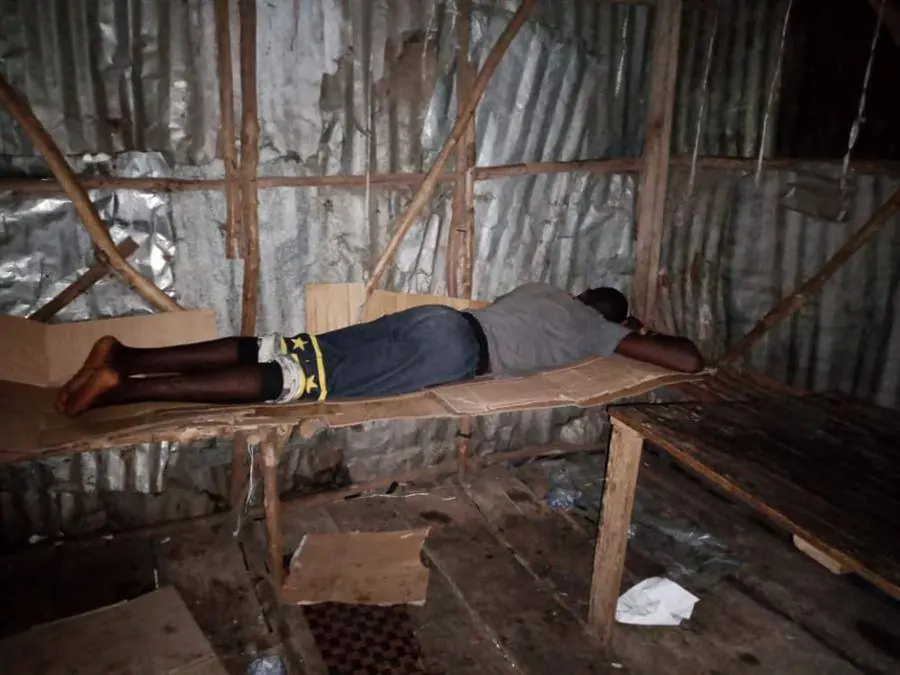
We see death, violence and injustice every single day. It makes us desperately sad, but more than anything it makes us angry. It makes us determined to fight for change, and for every child we meet.
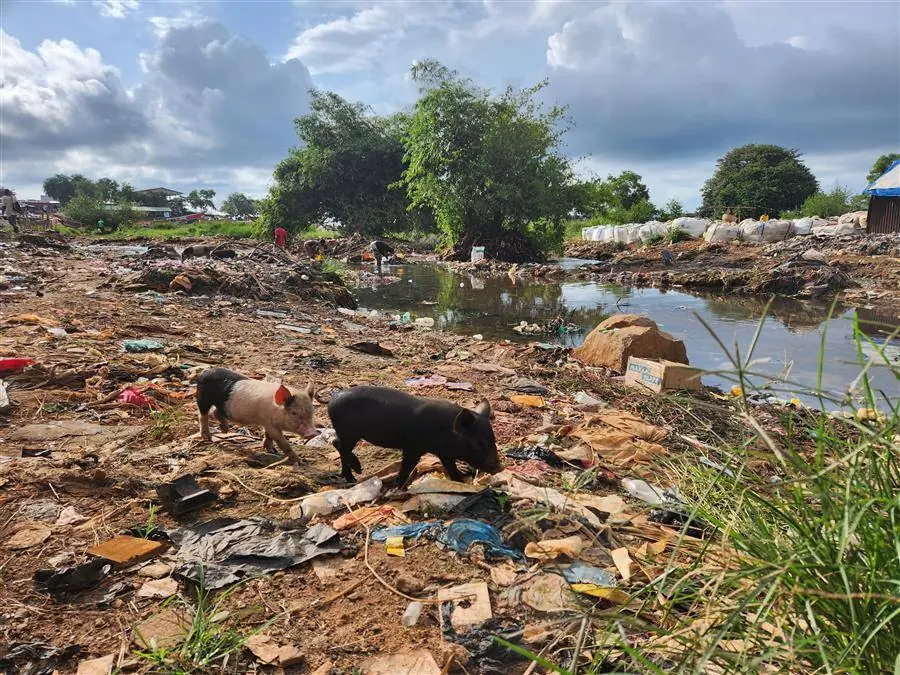
So what happens once a child is on the streets? TapClick a box to find out more.
It isn't that simple. Some children go home and come back. Some miss their friends, or the drugs. Some are too ashamed to go back. Some can earn a little money on the streets, which they never could at home.
"I don't get money in the house but I get money on the streets."A boy living on the streets, Freetown
And sometimes their families simply don't want them back. One young man asked us to help him go home to his mum. When we called her, she told us: "Let him die on the streets."
That's why this work takes time. And it's why we never give up on a child.
These are 35 of the children and young people we've known who have died. They died from stabbings, beatings, burns, drowning, illness, snakebites, sexual violence and kush. Some died at home with their families. Some died alone on the streets.
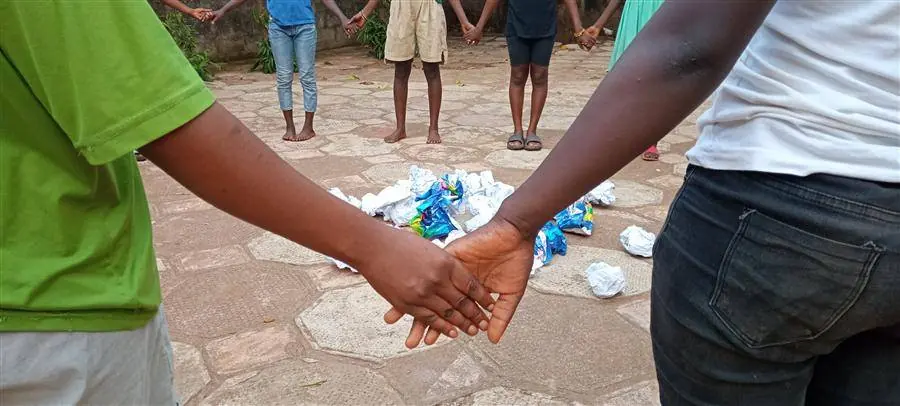
And there are many more we will never know about. Some children die on the streets and are buried without anyone knowing who they were. Others simply stop coming, and we never see them again. We may never find out what happened to them.
When one of our children dies, we pay for their brother, sister or child to go to school, in their memory.
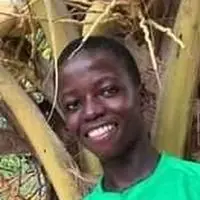
Stabbed after being wrongly accused of stealing a flask. The first child we lost.
TB and hepatitis. He had gone home to his family and was back at school.
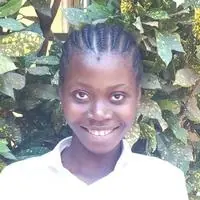
Pneumonia and TB. Feisty, brave and back at school. Our little firecracker.
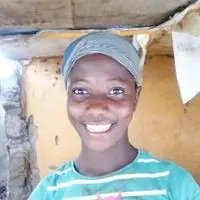
Illness.
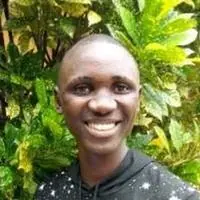
Beaten to death after being caught stealing.
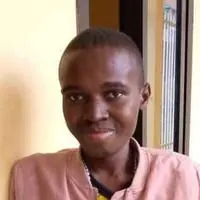
TB.
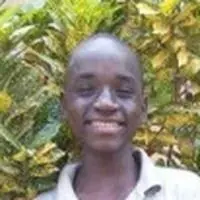
Malaria.
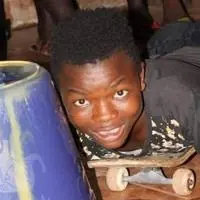
Badly burned when a gang member threw boiling liquid over him. We'd known him since 2015.
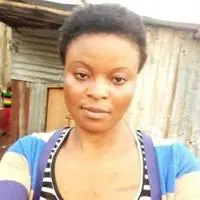
Illness.
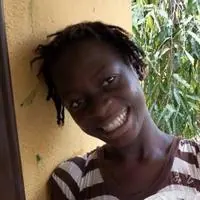
Liver disease, typhoid and malaria.
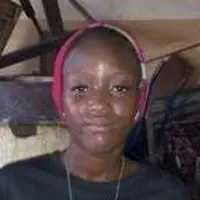
Beaten to death.
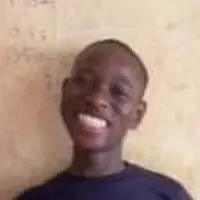
Snakebite.
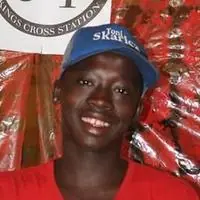
Illness.
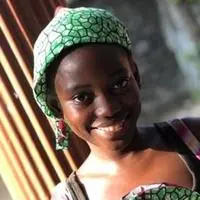
Illness.
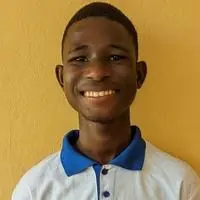
Drowned while swimming. He had just passed his BECE and was so proud.
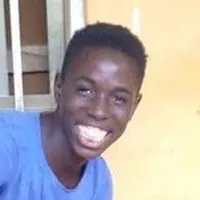
Illness.
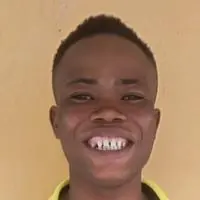
Road accident. He was at university, studying Public Health.
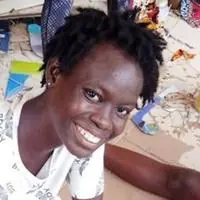
Long illness.
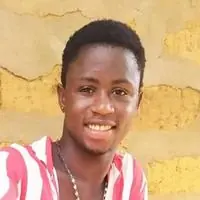
Suspected poisoning. He was training to be a tailor, and leaves behind a baby daughter.
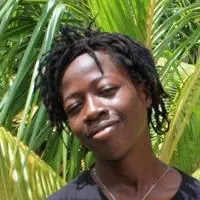
Sickle cell. One of the very first children we worked with, in June 2015.
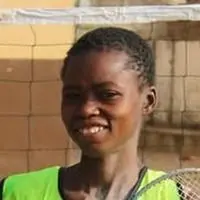
Killed in a sexual attack, a few weeks before she was due to go home to her family.
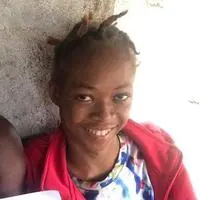
Illness.
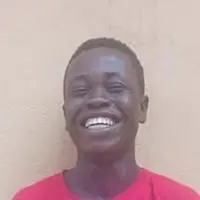
Stabbed when thieves tried to rob his motorbike.
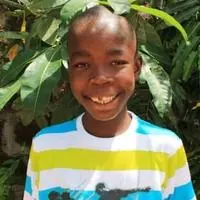
Kush. One of the very first children we worked with, in June 2015.
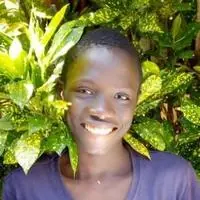
Illness. One of the very first children we worked with, in 2015.
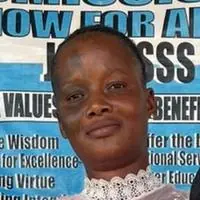
Illness. She was training to be a hairdresser, and leaves three children.
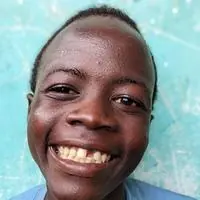
Drowned. He was due to go home to his family the following week.
Drowned. He had lived on the streets for ten years, since he was eight.
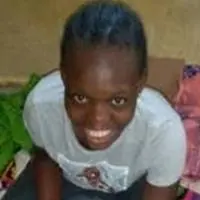
Died in a house fire, with her baby and her younger sister.
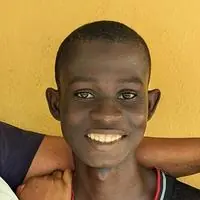
Illness, after years of poor health. We had known him since 2021.
Died in a landfill collapse in heavy rain, while visiting her sister in Guinea.
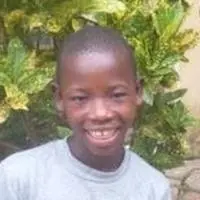
Killed after being caught stealing.
Hit by a car.
Killed after being caught stealing.
Died in prison.
We remember every one of them.
Every photo and story on this website is shared with permission. We ask the child and their parent or guardian first, and explain how it will be used. We change names where needed, never say where a child lives or goes to school, and will take down any photo or story if a child or family asks.
And yet they don't give up. Street children are tough, funny, clever and brave. They look out for each other. They're not victims, they're survivors. All they need is someone to believe in them.
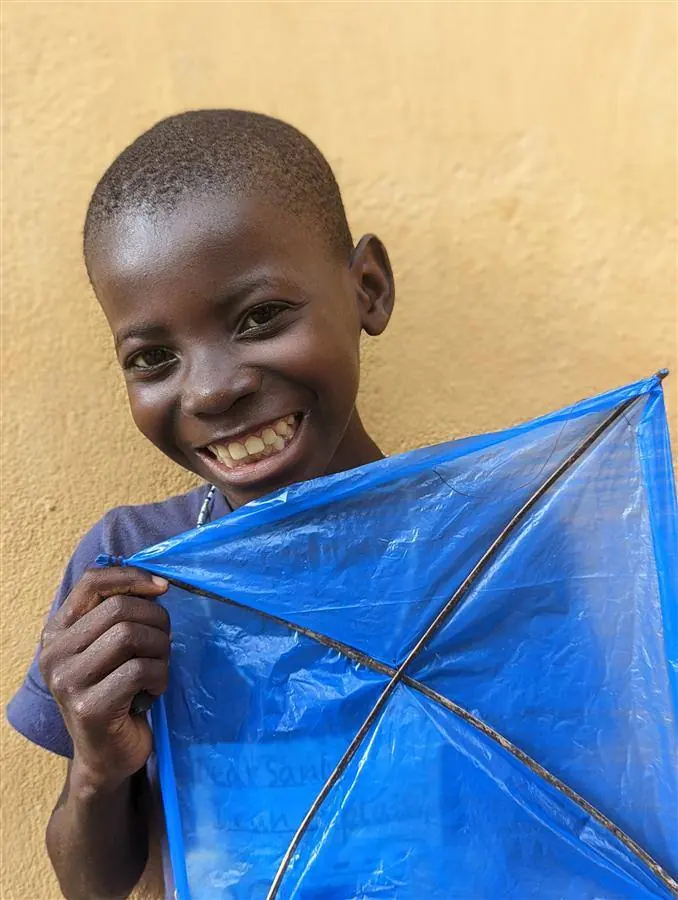
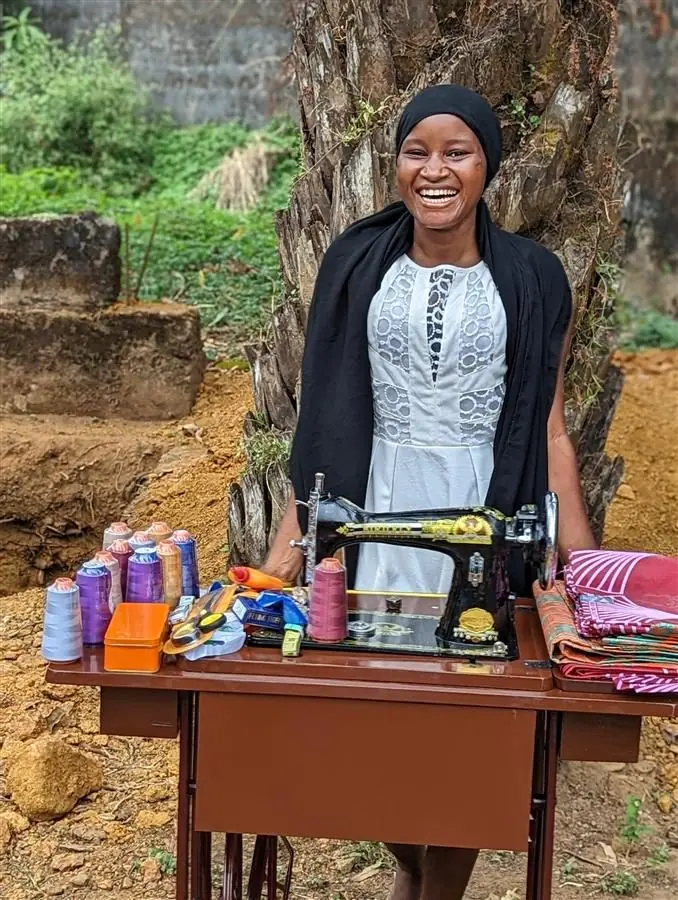
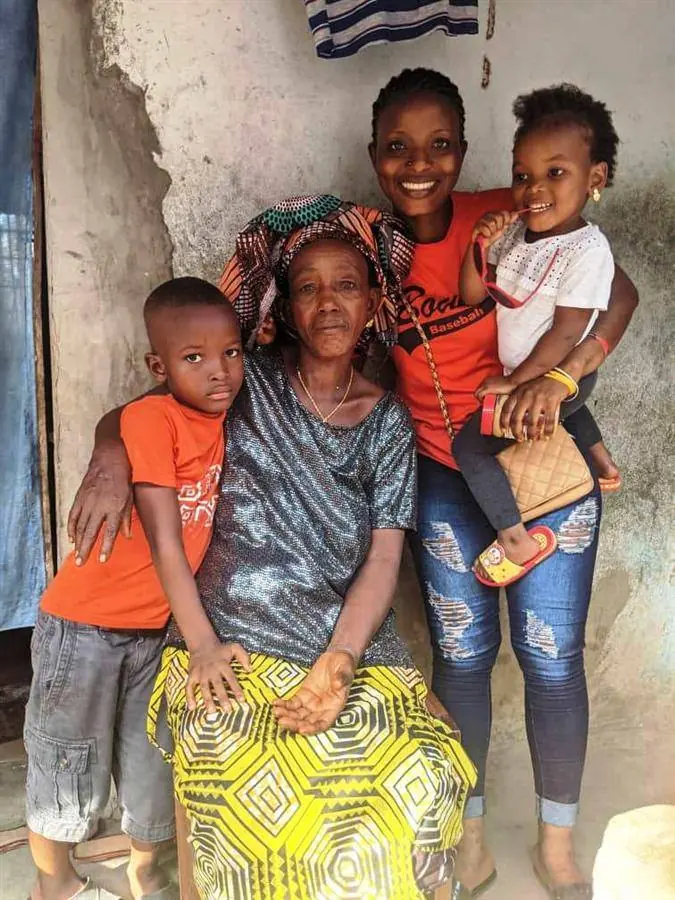
They look after each other in ways that would make you cry. When one of the girls died, the boys on the streets dug her grave and the girls cooked the food for her funeral. When a disabled girl had no wheelchair, the other street children shared their money to buy her one. When a young man had cancer and was turned away from everywhere else, two of our old boys brought him to us. And when one of our volunteers lost everything in a fire, the girls on the streets bought her clothes, without anyone asking. They told her:
"You have been there for us, now let us be here for you."Girls living on the streets, Freetown
The boy who was kidnapped and burned with a hot iron in 2017 (see Violence, above) hasn't let it define him. He's a hero. One day, a girl came to our outreach project in Bomeh so weak she could hardly walk. She needed a hospital straight away. He lifted her onto his back and carried her all the way there, without breaking a sweat. A boy who had been through the most unimaginable torture, treating her with so much love, compassion and dignity.
And when one young man was so sick that people drove him away, another street child picked him up, carried him on his back and paid the transport to bring him to us.
"I will never forget the kindness of [my friend]. He could have walked past and left me to die, like so many people did. … He picked me up and carried me on his back. He is my hero and I will never forget his kindness."A young man who lived on the streets, Freetown
"We are not invisible. We are not criminals. We are children, with dreams, with rights, and with voices that deserve to be heard."A Street Champion, Freetown
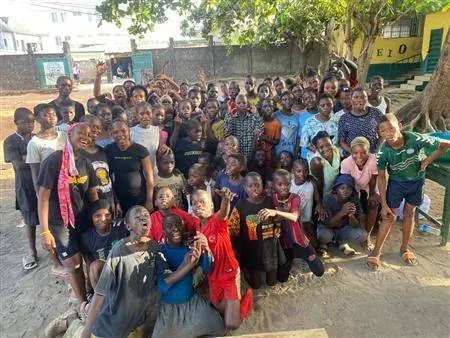
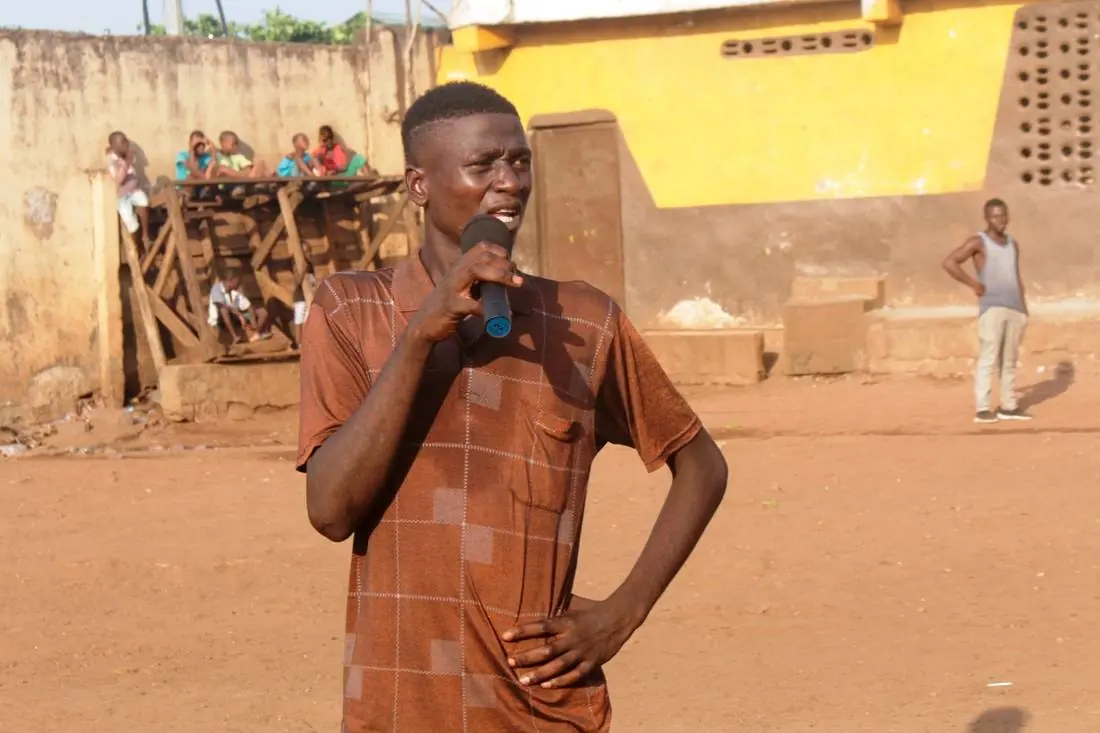
We can come and talk to your church, school, community group or workplace.
Email usLaughter Africa is a Charitable Incorporated Organisation (CIO), registered charity no. 1154712 (England and Wales).
124 Princes Boulevard, Bebington, Wirral, CH63 5LP · info@laughterafrica.org.uk · 0151 645 7322
Privacy · Cookies · Safeguarding (report a concern) · Complaints · Contact · Shop · Instagram · Facebook